.jpg)
Which marine mammal, often seen floating on its back near kelp forests, is known to use tools such as rocks to crack open shellfish?
The correct answer is sea otter. Sea otters use rocks and other hard objects to crack open shellfish while floating on their backs.
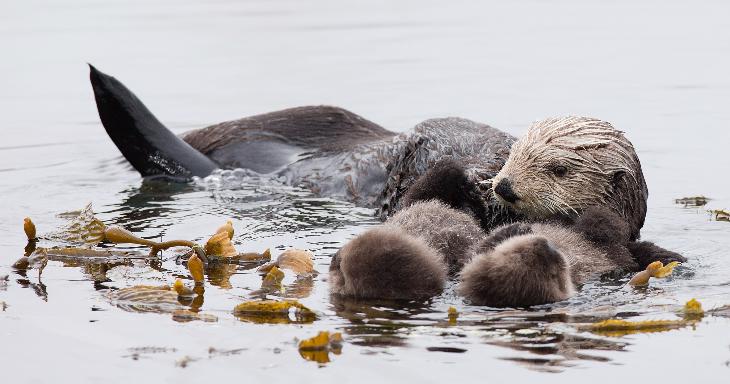
Sea otter is the marine mammal often seen floating on its back near kelp forests and known to use tools such as rocks to crack open shellfish. Sea otters are among the best-known examples of tool use in animals, and their feeding behavior is one of the reasons they are so closely associated with the rocky coasts and kelp forests of the The sea otter is the answer. Sea otters are marine mammals of coastal Pacific waters, often associated with kelp forests, shellfish prey, rock-based tool use, dense insulating fur, and the habit of floating on their backs while feeding or resting.
Sea Otters in Kelp Forests
Sea otters are closely tied to coastal kelp forest habitats. They live in nearshore marine environments where kelp beds provide shelter, feeding areas, and protection from rough water. Their presence in these habitats makes them different from river otters, which are more often associated with freshwater or inland waterways.
Tool Use With Rocks
Sea otters are known for using rocks or other hard objects to break open shellfish. They may place prey on their chest while floating and strike it with a rock, or use a hard surface to crack open tough shells. This tool use makes the sea otter one of the best-known examples of a marine mammal using objects to get food.
Floating, Fur, and Feeding
Sea otters often float on their backs while eating, grooming, or resting. Their dense fur helps insulate them in cold ocean water, which is especially important because they do not rely on a thick blubber layer the way many other marine mammals do. Regular grooming helps keep that fur effective by maintaining its insulating condition.
Why Sea Otters Matter to Kelp Ecosystems
Sea otters can help maintain kelp forest ecosystems by preying on sea urchins. When sea urchin numbers grow too high, they can heavily graze on kelp and damage the habitat. By feeding on urchins and other prey, sea otters can support the balance of kelp forests and the marine life that depends on them.
Ready for another challenge?
Start a 10-question challenge and test your knowledge of wildlife, birds, insects, plants, oceans, forests, and natural wonders.
Start the Challenge