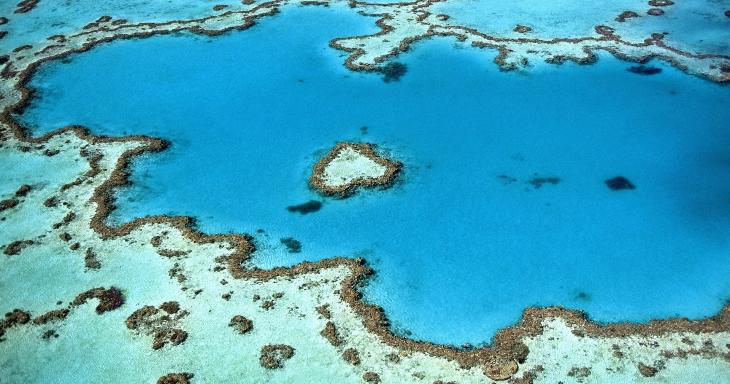
What massive structure, stretching over 2,300 kilometers, is considered the largest living structure on Earth?
The correct answer is the Great Barrier Reef. The coral reef system stretches more than 2,300 kilometers off Queensland, Australia.
The Great Barrier Reef is the answer. Located off the coast of Queensland, Australia, the Great Barrier Reef is a vast coral reef ecosystem built by coral polyps, stretching for more than 2,300 kilometers and supporting major marine biodiversity within a UNESCO World Heritage Site.
The Great Barrier Reef’s Scale
The Great Barrier Reef runs along the northeastern coast of Australia, off Queensland. Its more than 2,300-kilometer length makes it the largest coral reef system on Earth. The reef is not one single organism, but a massive connected system of reefs, islands, shoals, and marine habitats.
Why Coral Reefs Are Living Structures
The reef is called a living structure because it is built by tiny coral animals called coral polyps. These polyps create hard calcium carbonate skeletons that accumulate over time and form reef structures. Living coral grows on and around older reef material, making the Great Barrier Reef both a biological community and a physical structure.
A Major Marine Habitat
The Great Barrier Reef supports a wide range of marine life, including fish, corals, mollusks, turtles, and many other species. Its coral formations create shelter, feeding areas, breeding grounds, and migration routes for marine animals. That biodiversity is one reason the reef is so important as a marine ecosystem, not just as a geographic feature.
World Heritage Recognition and Threats
The Great Barrier Reef is recognized as a UNESCO World Heritage Site. That status reflects its global importance as a coral reef ecosystem, its scale, and its biological richness. The reef also faces environmental pressures, including coral bleaching, warming seas, and water quality concerns, which directly affect the living coral systems that make the structure possible.
Ready for another challenge?
Start a 10-question challenge and test your knowledge of wildlife, birds, insects, plants, oceans, forests, and natural wonders.
Start the Challenge